
Montgolfier Day
Celebrating the Birth of Human Flight
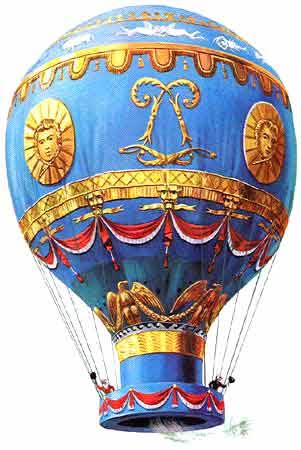
On 21 November 1783, the world witnessed a moment that changed history forever. In the skies above Paris, Jean-François Pilâtre de Rozier and François Laurent, Marquis d’Arlandes became the first humans to fly freely in a hot air balloon.
Their craft, designed by the inventive Montgolfier brothers, rose gracefully above the Château de la Muette, carrying humanity into the age of flight.
The Montgolfier Legacy
Joseph-Michel and Jacques-Étienne Montgolfier were not engineers by trade, but paper manufacturers from Annonay, France. Their curiosity and ingenuity led them to experiment with heated air, discovering that lightweight envelopes could rise when filled with smoke and hot air. From this insight came the Montgolfière balloon, a design that would forever alter the course of science and exploration.
First Flight
- Date: 21 November 1783
- Location: Paris, France
- Duration: Around 25 minutes
- Distance: Approximately 9 km (5.5 miles)
- Altitude: About 3,000 feet
King Louis XVI had initially suggested that condemned prisoners should test the balloon. Instead, Rozier and d’Arlandes volunteered, bravely stepping into history. Their successful flight proved that controlled, untethered human flight was possible.
Why Montgolfier Day Matters
Montgolfier Day is more than a historical anniversary it is a celebration of human ingenuity, courage, and the spirit of exploration.
For balloonists and aviation enthusiasts worldwide, it marks the birth of a tradition that continues to inspire. Each year, clubs and communities commemorate the day with flights, exhibitions, and stories that honor the Montgolfier brothers’ achievement.